Understanding Game Environments: A Comprehensive Guide
Understanding Game Environments: A Comprehensive Guide
When we think about video games, we often focus on characters, storylines, and mechanics. However, the game environment plays a crucial role in shaping the player's experience. This guide will delve into the importance of game environments, how they are designed, and their influence on gameplay.
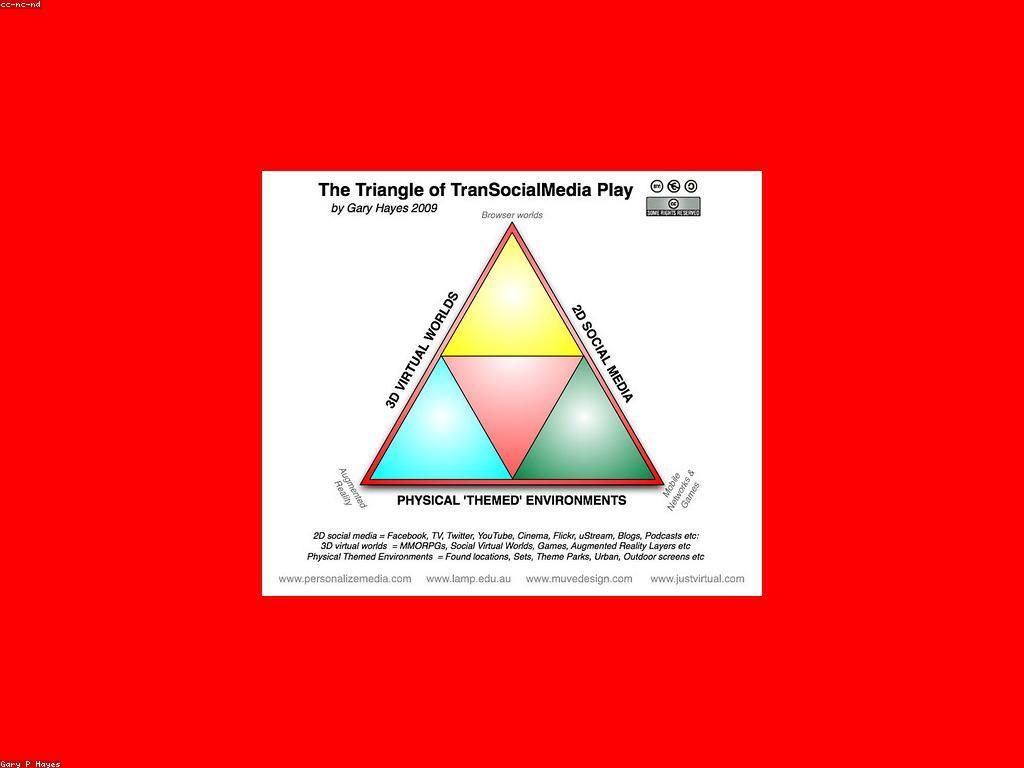
The Role of Game Environments
Game environments serve as the backdrop against which all actions unfold. They are not merely decorative; they provide context, set the mood, and can even influence a player's strategies. A well-crafted environment can enhance immersion, making players feel as if they are part of the game world.
Different genres of games utilize environments in various ways. For instance, open-world games allow players to explore vast landscapes, while linear games may have more confined spaces that focus on specific player experiences.
Designing Immersive Environments
The design process of game environments involves a combination of art, technology, and storytelling. Designers must consider how the visual elements contribute to the overall narrative and gameplay. Key aspects include:
- Visual Aesthetics: The look and feel of the environment should align with the game's theme.
- Interactive Elements: Players should be able to interact with the environment, whether it be moving objects, opening doors, or discovering hidden areas.
- Sound Design: Soundscapes can create a more immersive experience, adding to the realism of the environment.

Impact on Gameplay
A well-designed environment can significantly impact gameplay. For example, a dark, eerie setting can instill fear, influencing player decisions and strategies. Conversely, a bright and open world may encourage exploration and creativity.
Furthermore, environments can introduce unique challenges and obstacles. Navigating through a dense forest, climbing a mountainous terrain, or battling within a crumbling city can all present different gameplay dynamics that keep players engaged.
Conclusion
In conclusion, understanding game environments is essential for both players and developers. As players, recognizing the importance of the environment can enhance your gameplay experience. For developers, crafting compelling environments can create more engaging and memorable games. Embrace the worlds you explore and appreciate the intricate designs that make gaming an immersive art form.
User Comments
Kevin 10 mins ago
Amazing insights, I learned a lot from this.
Jenny Just now
Thanks for the detailed explanation.
David Just now
Exactly what I was looking for, thank you.
Jenny 10 mins ago
Great article! Thanks for sharing.
David 3 days ago
I really enjoyed reading this piece.
Leave a Reply